Herat, Afghanistan

Commercial greenhouses

Greenhouse Pest Control Services

Pest management for tomato and cucumber greenhouses: inspection, monitoring, and a crop-conscious plan that protects fruit quality and the people working in the house.

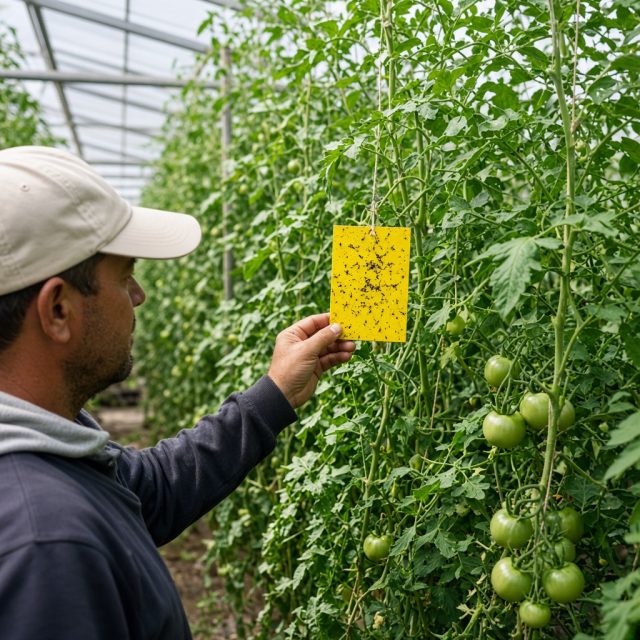
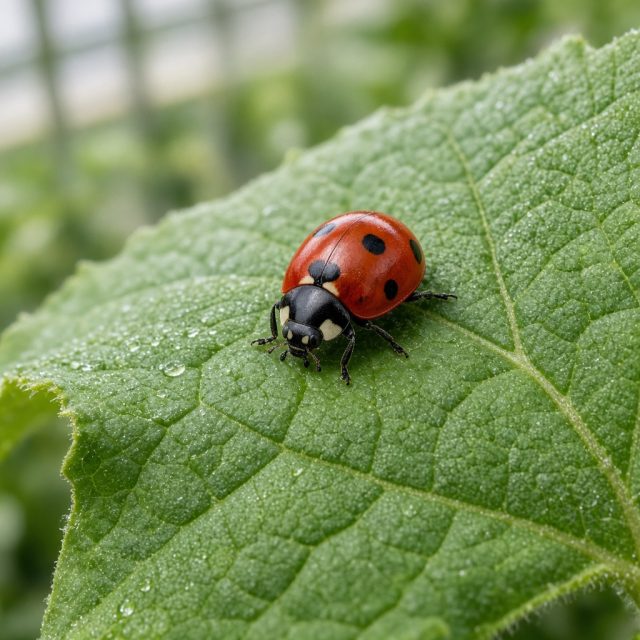
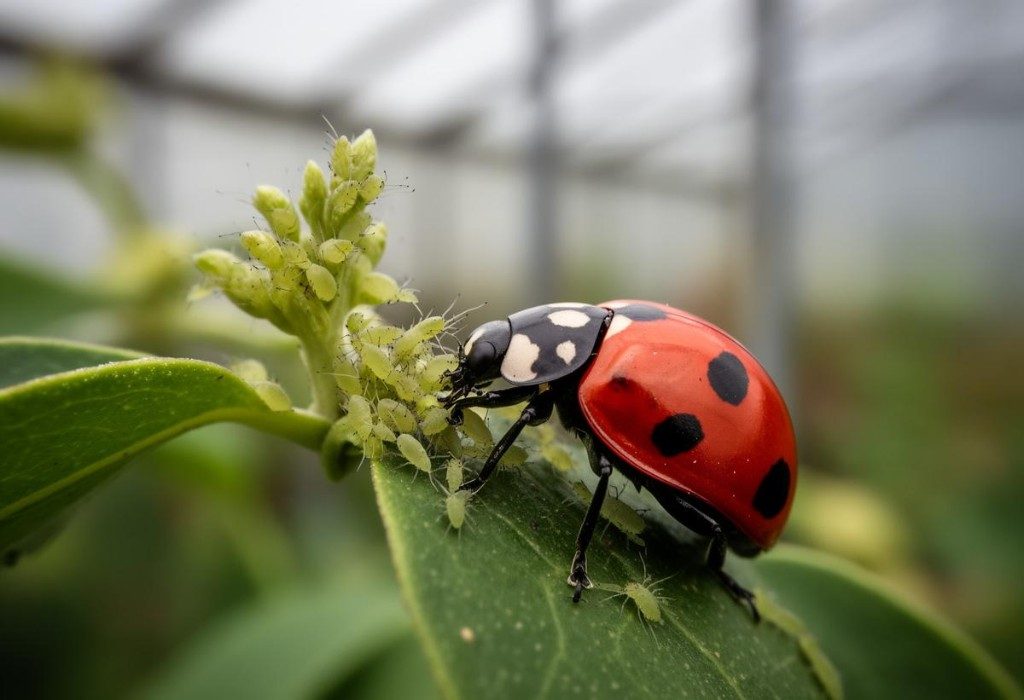
Yellow sticky trap hanging among tomato plants in a greenhouse A ladybug feeding on aphids on a plant leaf

Sticky-trap monitoring in a tomato greenhouse, and a ladybug feeding on aphids.

About our service

Protect crop quality inside the greenhouse

A closed tomato or cucumber house can build pest pressure quickly. Regular inspection finds whiteflies, aphids, thrips, mites, and leafminers before they mark the fruit, and it separates those pests from diseases such as powdery mildew and gray mold.

The work is monitoring first: identify what is actually present, record where it is, and recommend sanitation, biological control, or a registered treatment that fits the crop and the harvest schedule. The aim is a productive house with fewer emergency sprays.

This sits alongside our pest control work and the wider service list offered for farms, stores, and commercial sites.

Common greenhouse pests

Insects, mites, and diseases seen on tomatoes and cucumbers

Each card names what it is. Powdery mildew and gray mold are fungi. They are not treated as insects.

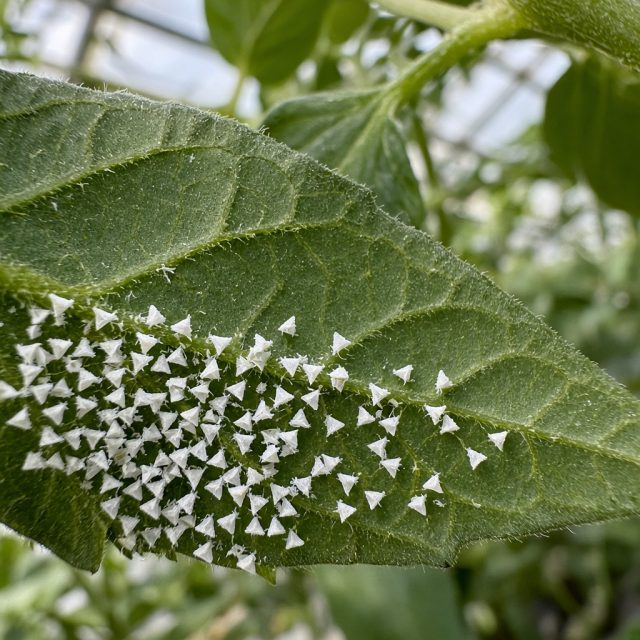
Tiny whiteflies clustered on the underside of a green leaf

Whiteflies Insect

Tiny white insects on leaf undersides, sticky honeydew, sooty growth, and yellowing leaves.

Prevention Check new plants, keep doorways and vents screened where practical, and watch yellow sticky traps.

Management Confirm the insect, track trap counts, and plan biological control or a registered treatment only when monitoring shows it is needed.
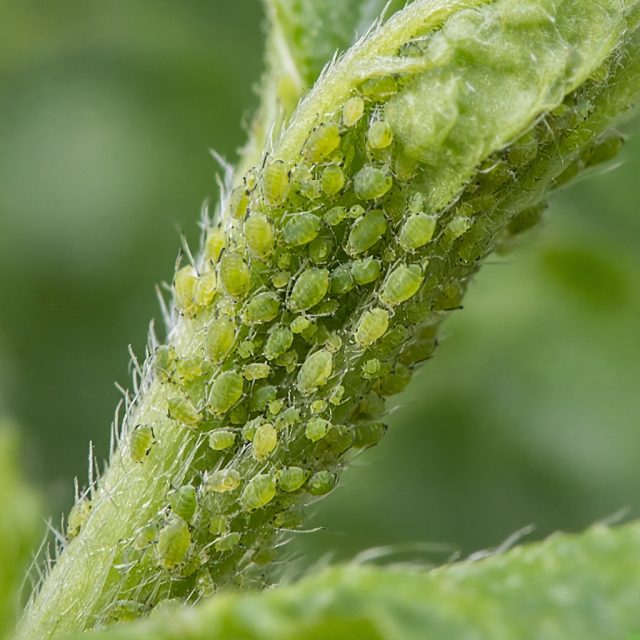
Green aphids clustered on a young plant stem

Aphids Insect

Clusters on young shoots, curled leaves, honeydew, and slow or distorted growth.

Prevention Remove weeds around the house, inspect transplants, and avoid letting colonies build on crop edges.

Management Identify the colony early and use an IPM plan that can include beneficial insects and limited, crop-suitable treatment.

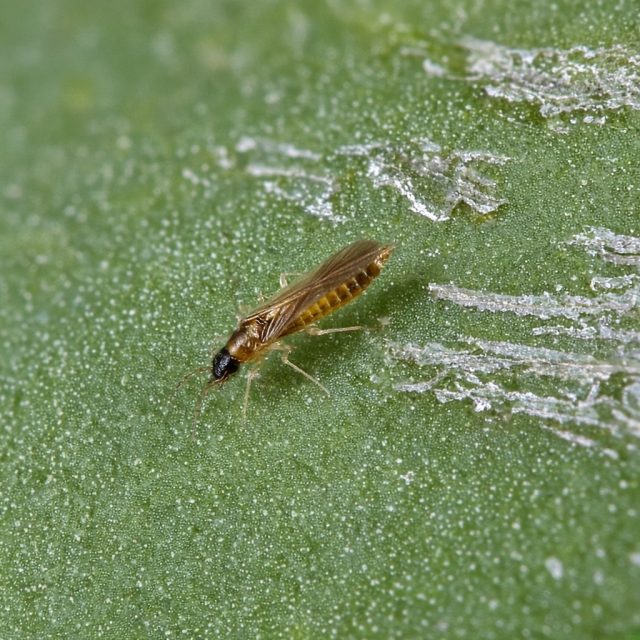
A thrips insect on a leaf with silvery feeding scars

Thrips Insect

Silvery patches, scarred fruit, distorted young leaves, and dark specks of frass.

Prevention Use blue or yellow sticky traps, control weeds, and inspect flowers and young fruit regularly.

Management Monitor traps and plant parts, then match the response to the crop stage so workers and fruit are protected.

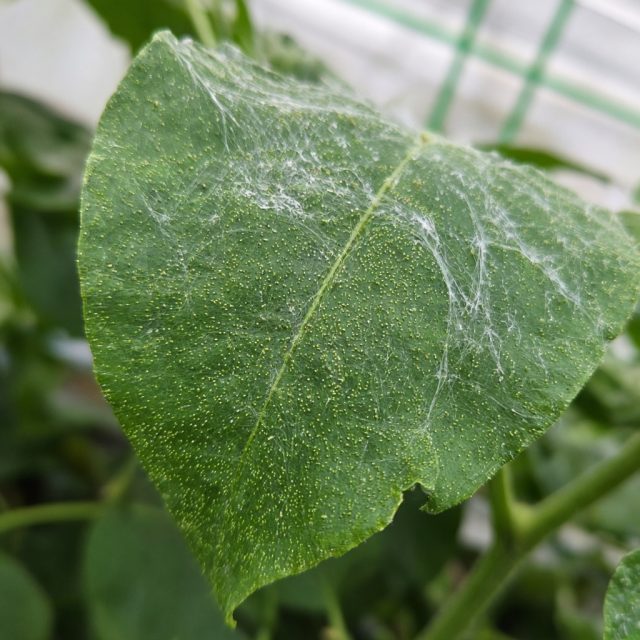
Fine webbing and stippled spots from spider mites on a leaf

Spider mites Mite

Fine stippling, yellow leaves, and light webbing, often worse in hot, dry houses.

Prevention Keep humidity and irrigation in a suitable range, and check older leaves along the walkway.

Management Treat spider mites as mites, not insects. Monitoring and biological control are usually the first step.

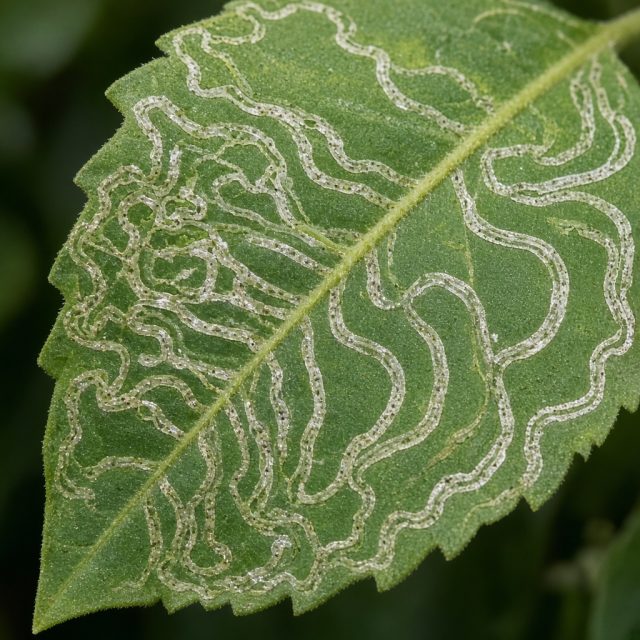
Pale winding leafminer tunnels inside a green leaf

Leafminers Insect

Pale, winding tunnels inside the leaf, with small larvae or puncture marks.

Prevention Remove heavily mined leaves from the house and monitor adults near doors and vents.

Management Confirm live mines before acting. Parasitic biological control is often part of a greenhouse programme.

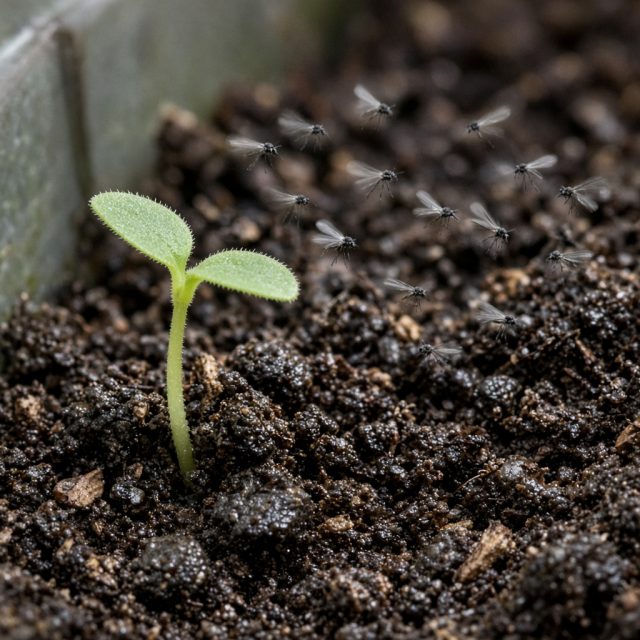
Tiny dark fungus gnats above damp seedling soil

Fungus gnats Insect

Small dark flies near wet media, and larvae in damp substrate that can injure young roots.

Prevention Avoid standing water, let the media surface dry between irrigations, and keep algae off floors.

Management Correct the wet conditions first, then monitor adults and treat the growing media only if larvae are confirmed.

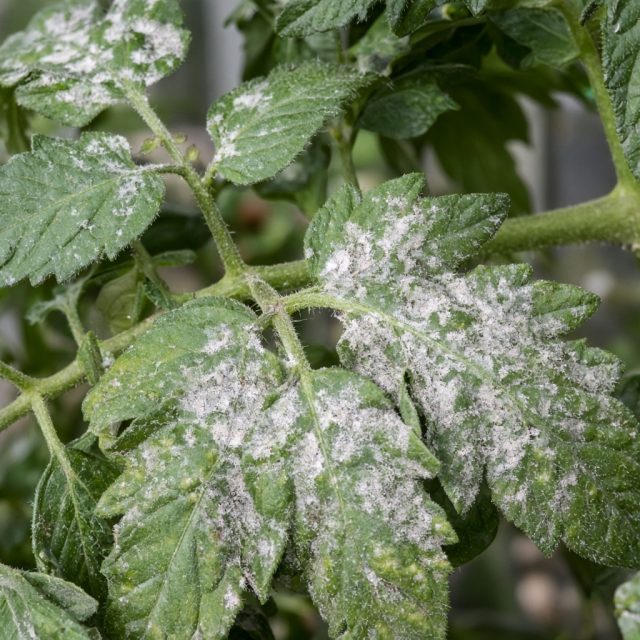
White powdery mildew patches on tomato leaves

Powdery mildew Plant disease

White powdery patches on leaves. This is a fungus, not an insect.

Prevention Give plants enough space and airflow, and remove heavily affected leaves from the crop.

Management Separate disease management from insect control. Ventilation and a crop-approved fungicide programme are considered together.

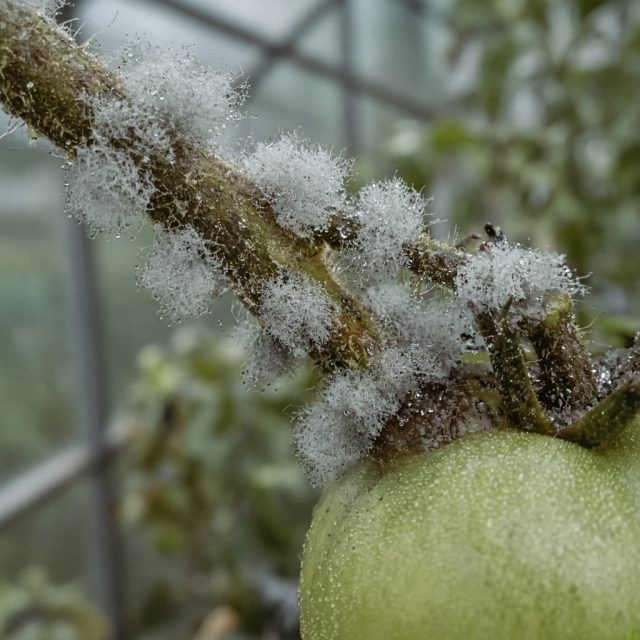
Gray fuzzy mold on a tomato stem and fruit

Gray mold Plant disease

Gray fuzzy growth on leaves, stems, flowers, or fruit, usually where humidity stays high. This is a fungus, not an insect.

Prevention Remove dead flowers and plant debris, and reduce long periods of leaf wetness.

Management Start with sanitation and humidity. Any treatment is chosen for the crop and the growing stage, not as a general insect spray.

Methods of greenhouse pest control

How a greenhouse visit is carried out

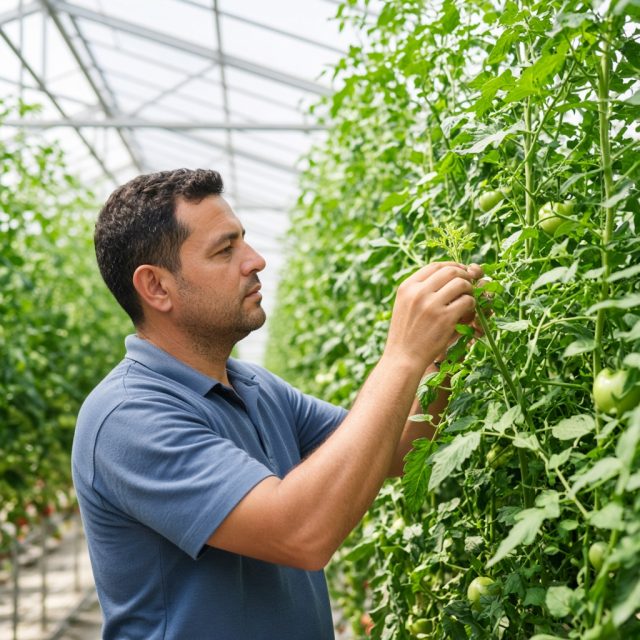
A worker inspecting tomato plants inside a greenhouse

A. Greenhouse inspection

Inspect leaves, stems, growing tips, flowers, fruit, irrigation areas, doors, and ventilation screens. Identify what is present and how severe it is.

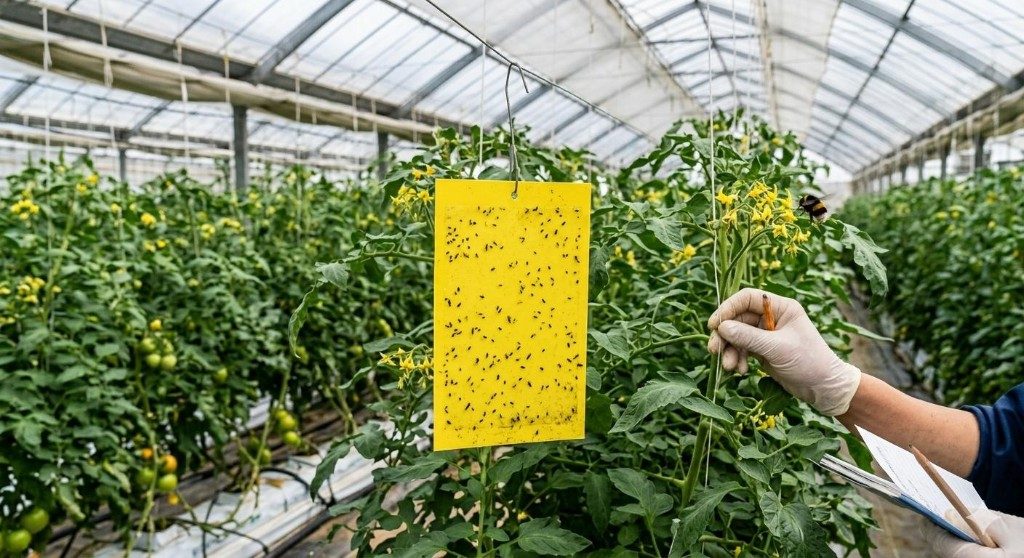
A worker checking a yellow sticky trap among tomato plants

B. Pest monitoring

Install and check yellow and blue sticky cards, examine plants in a set pattern, and record pest counts so an increase is noticed early.

A ladybug on a green leaf, used in biological pest control

C. Biological control

Where it suits the crop, use beneficial organisms such as ladybirds, predatory mites, or parasitic wasps to suppress a specific pest.

Two greenhouse workers discussing a closed crop-protection bottle beside tomato plants

D. Targeted treatment

Use a registered crop-protection product only when monitoring shows it is needed. Follow the label, worker protection, the re-entry interval, and the harvest interval.
  • Greenhouse inspection and pest identification
  • Pest monitoring and sticky-trap management
  • Integrated Pest Management (IPM)
  • Biological pest control
  • Registered and approved crop-protection treatments, where a product is permitted for the crop
  • Sanitation and preventive recommendations
  • Follow-up inspections
  • Professional inspection reports

Product names, dosages, and application procedures are not published here. They are agreed for the crop after inspection.

Our work process

From the first walk-through to a written follow-up

  1. Initial greenhouse assessmentReview the crop, house layout, irrigation, and the problem you are seeing.
  2. Pest identification and monitoringIdentify insects, mites, or disease symptoms and record sticky-trap and plant findings.
  3. Recommended control strategyAgree sanitation, biological control, and any registered treatment that fits the crop stage.
  4. Follow-up inspection and reportingReturn to check the result and leave a written inspection report.
Why choose our service

A documented, crop-conscious programme

  • Systematic inspection of the crop, not a single spray visit
  • Written monitoring so pest pressure can be compared from visit to visit
  • Preventive recommendations for sanitation, screening, and irrigation
  • Personnel who follow the agreed greenhouse procedure
  • Treatments considered against harvest timing and worker re-entry
  • A clear distinction between insect pests, mites, and plant diseases
Frequently asked questions

Questions from greenhouse growers

What pests commonly affect greenhouse tomatoes and cucumbers?

Whiteflies, aphids, thrips, spider mites, leafminers, and fungus gnats are common. Powdery mildew and gray mold are plant diseases that often appear in the same houses and need a different response.

How often should a greenhouse be inspected?

During active production, a weekly walk-through is a practical starting point. Hot weather, a new planting, or rising trap counts may call for shorter intervals. The first visit sets a schedule for that house.

What is Integrated Pest Management?

Integrated Pest Management (IPM) combines inspection, identification, monitoring, sanitation, and biological control, and uses a registered treatment only when monitoring shows it is justified.

Can biological control be used in a greenhouse?

Yes. Greenhouses are well suited to beneficial insects and mites because the crop stays enclosed. Biological control has to match the pest, and broad sprays can undo it, so the plan is agreed before treatment.

How do you protect workers and crops during treatment?

Any treatment is limited to products appropriate for the crop and growing stage. Staff are told the re-entry interval, protective equipment is used where the product requires it, and harvest timing is checked before work starts.

How can I request an inspection?

Use the inspection form on this page, or call the office. You will receive a service-request reference number after the form is saved.

Contact and inquiry

Request a greenhouse inspection

Tell us the crop, the location, and what you are seeing. The request is stored with your other service requests and given a reference number.